|

Happy spring!
With spring comes new beginnings. As such, we would like to congratulate all of our students who will be graduating on May 11th! We are very proud of your hard work and dedication. Best wishes for your future success!
Cancer Biology Program Graduates:
- Katie Hebron (Andries Zijlstra lab)
- Nalin Leelatian (Jonathan Irish lab)
- Allie Greenplate (Jonathan Irish lab)
Faculty Spotlight
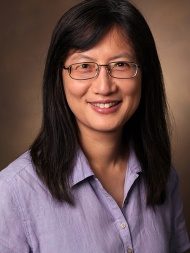
Jin Chen, MD, PhD
Professor of Medicine and Cell and Developmental Biology
Jin Chen received her MD in 1984 from Shanghai First Medical College and PhD in Biochemistry and Molecular Pharmacology in 1992 from Harvard University. She pursued postdoctoral research at MIT and Vanderbilt University where she worked on gene trap mutagenesis in zebrafish and mouse embryonic stem cells. Her postdoctoral work led to the generation of mice deficient in EphA2 receptor tyrosine kinase. In 1997, she became an Assistant Professor at Vanderbilt University, working on dissecting the role Eph receptor tyrosine kinases in cancer and tumor microenvironment. Her laboratory performed pioneering studies on determining EphA receptor function in tumor initiation, metastatic progression and tumor angiogenesis. The recognition of these discoveries is attested to by continuous NCI funding, invited talks at scientific conferences, service on NIH study sections, and publications in high impact journals such as JCI, JNCI, and Cancer Res. She also served as a co-Chair of NIH Tumor Microenvironment (TME) study section and was on the Board of Director of Cancer Biology Training Consortium (CABTRAC). Dr. Chen is currently a tenured Professor of Medicine, Cancer Biology, and Cell & Developmental Biology. She is also the Director of Graduate Studies in Cancer Biology and the Director of NCI T-32 Training Program. Her current research focuses on the role of EphA2 RTK and mTOR in tumor metabolism, vessel normalization, and cancer immunity.
Postdoctoral Fellow/
Graduate Student Spotlight
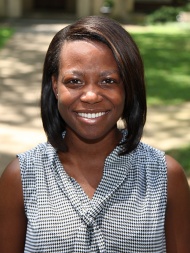
Kristin A. Kwakwa
4th year graduate student
(Sterling Lab)
Kristin’s thesis project aims at targeting the transcription factor Gli2 in tumor-induced bone disease. She investigates physical and cellular interactions between tumors and the bone microenvironment using molecular, engineering, and pre-clinical models. Specifically, she is utilizing bone-mimetic scaffolds along with mouse models to investigate how the three-dimensional architecture of bone regulates osteolytic gene expression in patient-derived tumor cells. In addition, she is examining the effects of nanoparticle targeted therapeutic inhibitors to Gli2 that the laboratory has previously established as a critical factor for tumors to invade the bone microenvironment. This research will help establish new therapeutic approaches for treating patients with tumors that have invaded or metastasized to the bone. As this is a common occurrence in patients with metastatic breast, lung, prostate, and renal cancer as well as invasive tumors such as multiple myeloma, melanoma, and oral cancer, this research has a high potential to make a strong improvement in patient mortality and quality of life.
Staff Spotlight

Tatiana
Novitskaya,
MD, PhD,
Staff Scientist
(Zijlstra Lab)
Recently, multiplexed immuno-staining of tissue microarrays combined with advances in image acquisition has generated large, multi-dimensional data sets. Growing demands to process this information and a need for reproducible quantification requires use of computer-assisted image analysis. While a number of stand- alone highly task-oriented software tools are available for image analysis, data extraction and manipulation only became more challenging with ever-larger image set size. To overcome this, we have adopted KNIME (Konstanz Information Miner) as an analytical platform to generate pipelines for image management, processing, data extraction and analysis. KNIME is an open-source analytical platform designed to handle very large amounts of heterogeneous data with built-in image processing, machine learning and data mining extensions. Using this platform, we developed single-cell analysis pipelines in which multiplexed immuno-fluorescence was leveraged to extract hundreds of quantitative features and generate a training data set for machine learning. This approach proved to be broadly applicable and was used to: 1) quantify the biogenesis nucleus-derived vesicles in prostate cancer, 2) achieve urothelial carcinoma sub-classification based on transcription factor expression, and 3) define the probability of disease recurrence in prostate cancer at the level of individual cells. Workflows can be deployed in any computer environment and leverage integration of multiple quantitative analysis and visualization tools to reveal quantitative and spatial relationships of cellular populations within tissue sections.

This challenge is a funding mechanism focused on catalyzing staff to develop and implement innovative process improvements that support the VICC mission: to alleviate cancer death and suffering through pioneering research; innovative, patient-centered care; and evidence-based prevention, education and community activities (both directly and indirectly).
This challenge will fund two to three meritorious projects (up to $15,000 budget). Interested applicants must submit a Letter of Intent (LOI; one page limit) by close of business on April 23, 2018.
If you have any questions or need an application, please feel free to contact Julie Schaum, MS (j.schaum@vanderbilt.edu).
The American Association for the advancement of Science (AAAS) awarded the distinction of Fellow to our Program Faculty at the 2018 Annual Meeting
Timothy Scott Blackwell, M.D., (Section on Medical Sciences)- For distinguished contributions to pulmonary medicine, particularly for elucidating basic mechanisms that lead to lung repair, providing insight into tissue remodeling, fibrosis, and cancer pathogenesis.
Ann Richmond, PhD, (Section on Biological Sciences)- For pioneering work in identifying one of the first known chemokines, key elements in angiogenesis, tumor growth and recruitment of immune cells.
Harold (Hal) Moses M.D., director emeritus of the Vanderbilt-Ingram Cancer Center and research professor of pharmacology, is recognized for distinguished contributions to the growth factor, oncogene and tumor suppressor fields; for the founding of Vanderbilt-Ingram Comprehensive Cancer Center; and for leadership in national organizations and committees.
|
![Medicine - Cancer Biology E-Newsletter [Vanderbilt University]](https://van.preservation.mirrorweb.com/public/20250804084709im_/https://cdn.vanderbilt.edu/vu-URL/wp-content/uploads/sites/119/2017/11/19151037/cancer-biology-design-004.png)
