The Jane Coffin Childs Memorial Fund for Medical Research (JCC Fund) was established by the Childs Family in 1937, to honor the memory of Jane Coffin Childs. Inspired by the founding purpose to support research into the causes and treatment of cancer, the Fund’s mission has broadened to support fundamental scientific research that advances our understanding of the causes, treatments, and cures for human disease.

Jane Coffin Childs announces 2025 Jane Coffin Childs Fellows!

See our 2025 Impact Report!


Apply Now
1700

1700 fellows have been funded since the JCC Fund's inception

23

Former fellows & scientific advisors include 23 Nobel laureates

You

Have a chance to be one of the funded. Apply now!

From the blog

In Memory of Starling Lawrence

The Jane Coffin Childs Memorial Fund for Medical Research is deeply saddened to share the news of the passing of former Board of Managers member, Starling Lawrence. Star served the Board for many years and […]

Read More
Featured Fellow

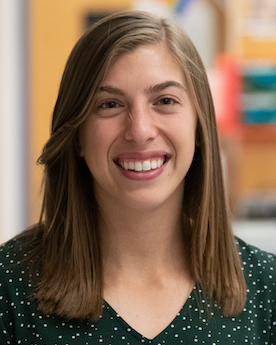
Gwendolyn Beacham, Ph.D.

Gwendolyn Beacham, Ph.D.

Boston University

The vascular system transports blood and immune cells throughout the body. Yet, how these cells selectively cross the endothelium and enter the appropriate cellular tissues is unclear. Dr. Gwendolyn Beacham will explore the fundamental mechanisms underlying this endothelial transmigration in Dr. Elliott Hagedorn’s and Dr. Christopher Chen’s labs at Boston University. Beacham predicts that endocytosis is important for this process and has identified candidate proteins by investigating blood stem cells. She will use zebrafish as a model system to validate her preliminary findings. Then, Beacham will use this understanding to engineer blood vessels with controllable endothelial transmigration in zebrafish and in human cell culture. This research may help improve the efficiencies of cancer therapies that rely on endothelial transmigration, such as bone marrow transplants and engineered CAR T-cells.

As a Ph.D. student in Dr. Gunther Hollopeter’s lab at Cornell University, Beacham investigated clathrin-mediated endocytosis. In particular, she discovered that endocytosis is inactivated via phosphorylation of the clathrin Adaptor Protein 2. These findings revealed a novel regulatory mechanism for endocytosis and set up Dr. Beacham to explore how endocytosis contributes to endothelial transmigration.


View all Fellows